What happens to our clothes when we no longer wear them? Can textile recycling keep up with growing consumption? And how can we make sustainable solutions part of everyday life? These were some of the key questions explored at the Nordic-Baltic Textile Circularity Forum 2026.
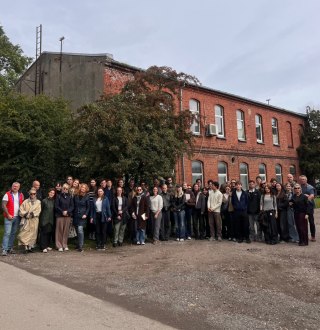
Over two days, Riga brought together policymakers, entrepreneurs, researchers, start-ups and textile industry representatives from the Nordic and Baltic countries, as well as other parts of Europe. Participants discussed how existing recycling solutions could be expanded and developed into a wider, more effective circular textile system.
Lars Fogh Mortensen, Circular Economy and Textiles Expert at the European Environment Agency, highlighted that in 2022, the average EU citizen consumed 19 kilograms of textiles, including clothing, footwear and household textiles. At the same time, each person generated around 16 kilograms of textile waste, of which less than 15% was collected separately from other household waste. He noted that collecting and recycling textiles alone is not enough – we also need to consider how clothes are produced, how long we use them and what happens to them afterwards.
Meanwhile, Lutz Walter, a representative of the European Technology Platform for the Future of Textiles and Clothing, pointed out that textile reuse and recycling are difficult to develop when making and buying new clothes is cheaper than collecting or recycling old ones. Our shopping habits and desire to regularly buy new clothes also play an important role. Therefore, alongside developing new technologies, we need to find ways to make reusing clothes a more affordable and attractive option for consumers.
On the first day of the Forum, representatives of the tExtended project presented the project's results. The second day focused on Nordic-Baltic experiences, opportunities for circular business models and ways to encourage producers to take greater responsibility for the waste generated by their products.
“Textile circularity is not a niche environmental issue. It is at the heart of the Nordic Council of Ministers’ Vision 2030, which aims to make the Nordic Region the most sustainable and integrated region in the world. By promoting the circular economy and sustainable production, textile circularity directly supports two of the vision’s strategic priorities: a green Nordic Region and a competitive Nordic Region.”
– Nina Hvida Enevoldsen,
Director of the Nordic Council of Ministers’ Office in Latvia
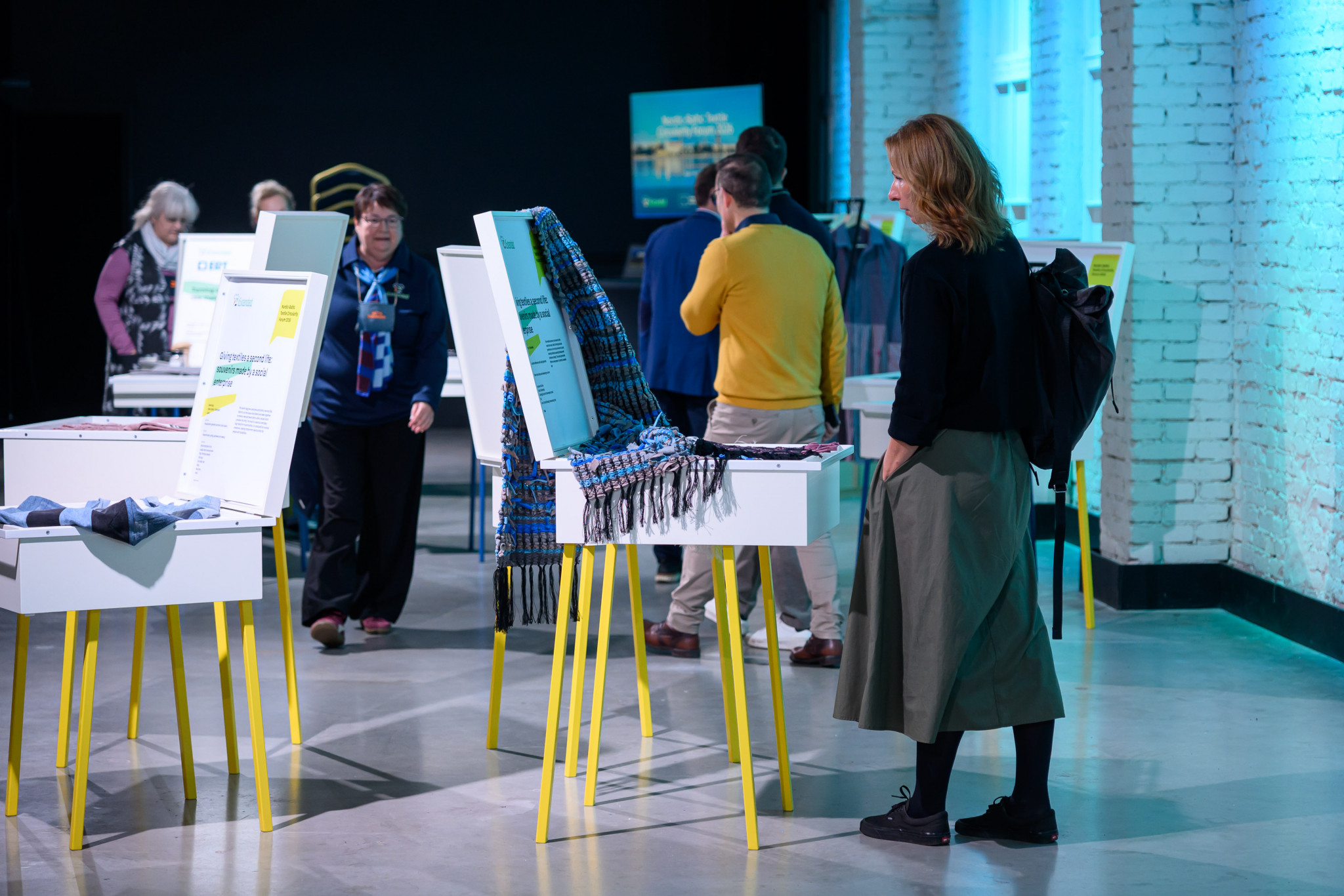
Alongside the discussions and presentations, forum participants had the opportunity to explore exhibitions showcasing circular textile solutions and demonstrating how clothing and other textile products can be given a second life. The forum's key takeaway was clear – textile sustainability is not only about what we do with clothes after we stop using them. It starts much earlier, with how products are designed and brought to market.
The event took place as part of the “Nordic-Baltic Textile Circularity” project, funded by the Nordic Council of Ministers’ Offices in Latvia, Estonia and Lithuania. The project's overall aim is to strengthen regional cooperation on textile circularity.